
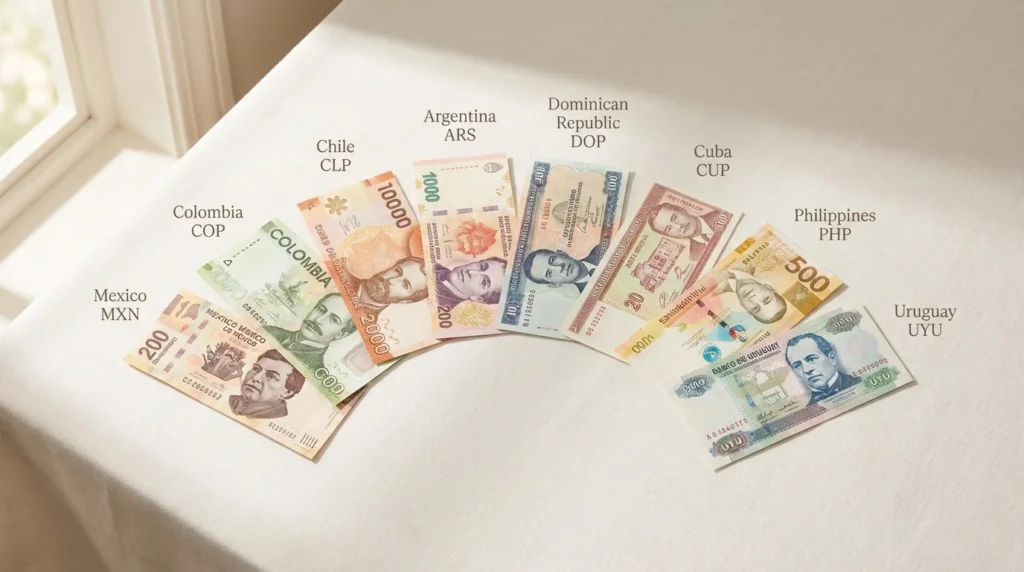
Pesos are used in eight countries, mostly across Latin America and in the Philippines. If you’ve ever wondered where pesos are used or what each version of the currency is actually worth, this guide breaks it down, with a focus on what it means when you’re sending money from the U.S.
What is a Peso?
The word “peso” comes from the Spanish word for “weight.” Most contemporary pesos can trace their origins back to the Spanish dollar, or what was once called a “piece of eight.”
Historically, the term “peso” referred to the Spanish dollar, an influential silver coin introduced after Ferdinand and Isabella reformed Spain’s coinage system in 1497. Thanks to its consistent size and quality, this coin quickly became a standard of trade across the Americas and even Asia, making it one of the first global currencies.
As Spanish influence spread through colonization, the peso circulated throughout Latin America and the Philippines. In the early 19th century, as many countries in Latin America gained independence from Spain, several new nations, including Mexico, Argentina, and Colombia, adopted the peso as their official currency. Each country developed its own version from there, with different values, designs, and economic histories.
Where Are Pesos Used?
The eight countries which use pesos are: Mexico, Argentina, Chile, Colombia, Cuba, The Philippines, the Dominican Republic, and Uruguay. Here’s how each of those eight currencies works in practice.
Important: Even though eight countries call their currency a “peso,” these are completely separate currencies. A Mexican peso is not accepted in Colombia. An Argentine peso has no exchange value in the Dominican Republic. Each peso has its own exchange rate, its own economic history, and its own purchasing power. When sending money or traveling abroad, always verify which country’s peso you’re dealing with.
1. Mexico
Mexico has one of the most recognized currencies using the name peso. The Mexican Peso (MXN) has its origins in the Spanish colonial period of Mexico’s history, which lasted from the early 16th – early 19th centuries. At this time, the Spanish dollar circulated widely in the Americas. After Spain withdrew from Mexico, it adopted its own version of the peso as its official currency in 1823. The modern Mexican Peso underwent a major revaluation in 1993, when the “nuevo peso” (new peso) was introduced, with 1 new peso equaling 1,000 old pesos.
The Mexican peso is bigger globally than most people realize. Since 2022, it has ranked as the third most traded emerging market currency in the world, behind only the Chinese yuan and the South Korean won. This global liquidity makes the Mexican peso more stable than most of its regional counterparts and gives it a level of international recognition that few currencies in Latin America share. For Mexicans living abroad and sending money home, this means exchange rates between the U.S. dollar and the peso tend to be competitive and widely available through banks, exchange houses, and money transfer apps.
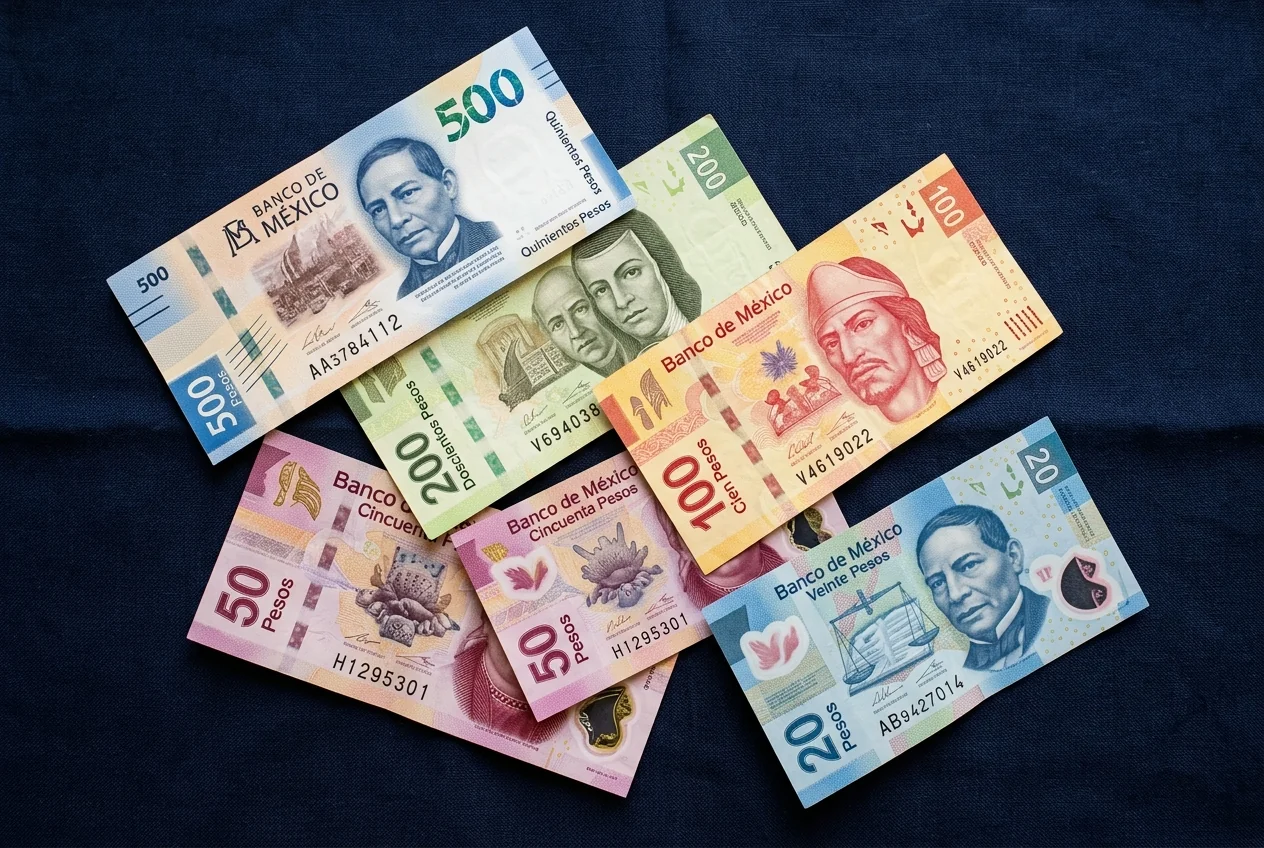
Today, the Mexican peso is the 15th most traded currency in the world and the most traded currency in Latin America. Mexico has the second-largest economy in Latin America, with deep trade ties to the United States.
2. Argentina
Argentina’s first peso was introduced in 1826, shortly after it achieved independence from colonial rule. The country’s currency has undergone various incarnations and re-denominations over the last two centuries since then, due to the country’s history of hyperinflation and economic instability. The current peso, the Argentine Peso (ARS), was introduced in 1992 after a series of previous currencies failed.
Despite issues with economic volatility, high inflation, and debt crises, Argentina’s economy is one of the largest in Latin America. It’s one of the world’s largest exporters of soybeans, wheat, and beef.
3. Chile
The Chilean Peso (CLP) was first introduced in 1817 after Chile declared independence from Spain. The original peso underwent various changes and reintroductions before the current peso was re-established in 1975.
Chile’s economy is now considered one of the most stable and prosperous in Latin America. The country is the world’s largest producer of copper, a significant source of revenue. The Chilean Peso benefits from this economic stability, although it can be affected by fluctuations in global copper prices.
4. Colombia
The Colombian peso (COP) has been the country’s official currency since 1810, after gaining independence from Spain. It replaced the real, the currency in use during the colonial period.
Colombia has a diverse economy with major sectors including oil, mining, agriculture, and manufacturing. The peso is relatively stable, but like many other emerging market currencies, it can be vulnerable to external shocks, particularly changes in oil prices and political instability.
The Role of the Colombian and Chilean Pesos in Global Commodity Markets
The Colombian and Chilean pesos are both tied to global commodity markets, which makes them more exposed than most to price swings in raw materials. Two commodities drive this:
- Chilean Peso and Copper: As the world’s leading copper producer, Chile’s economy, and by extension its currency, is tightly linked to copper prices. When global demand for copper rises or falls, so does the value of the Chilean peso. Likewise, shifts in the peso can impact the competitiveness of Chilean copper exports, indirectly influencing global copper prices.
- Colombian Peso and Oil: Similarly, Colombia is a major exporter of oil. Movements in the Colombian peso can affect how competitively Colombian oil is priced on the world stage. When the peso weakens, Colombian oil becomes cheaper for foreign buyers, potentially increasing exports and exerting downward pressure on global oil prices.
In summary, because Chile and Colombia are major sources of these essential commodities, fluctuations in their respective currencies ripple outward, shaping commodity trading and pricing decisions around the world.
5. Cuba
For the past three decades, Cuba used two currencies: the Cuban Peso (CUP) and the Cuban Convertible Peso (CUC). The CUP was primarily used by locals, while the CUC, which was pegged to the US Dollar, was introduced to facilitate tourism and international trade, creating a two-tiered pricing system within the country. In 2021, Cuba began phasing out the CUC, leaving Cuba with one primary currency, the CUP.
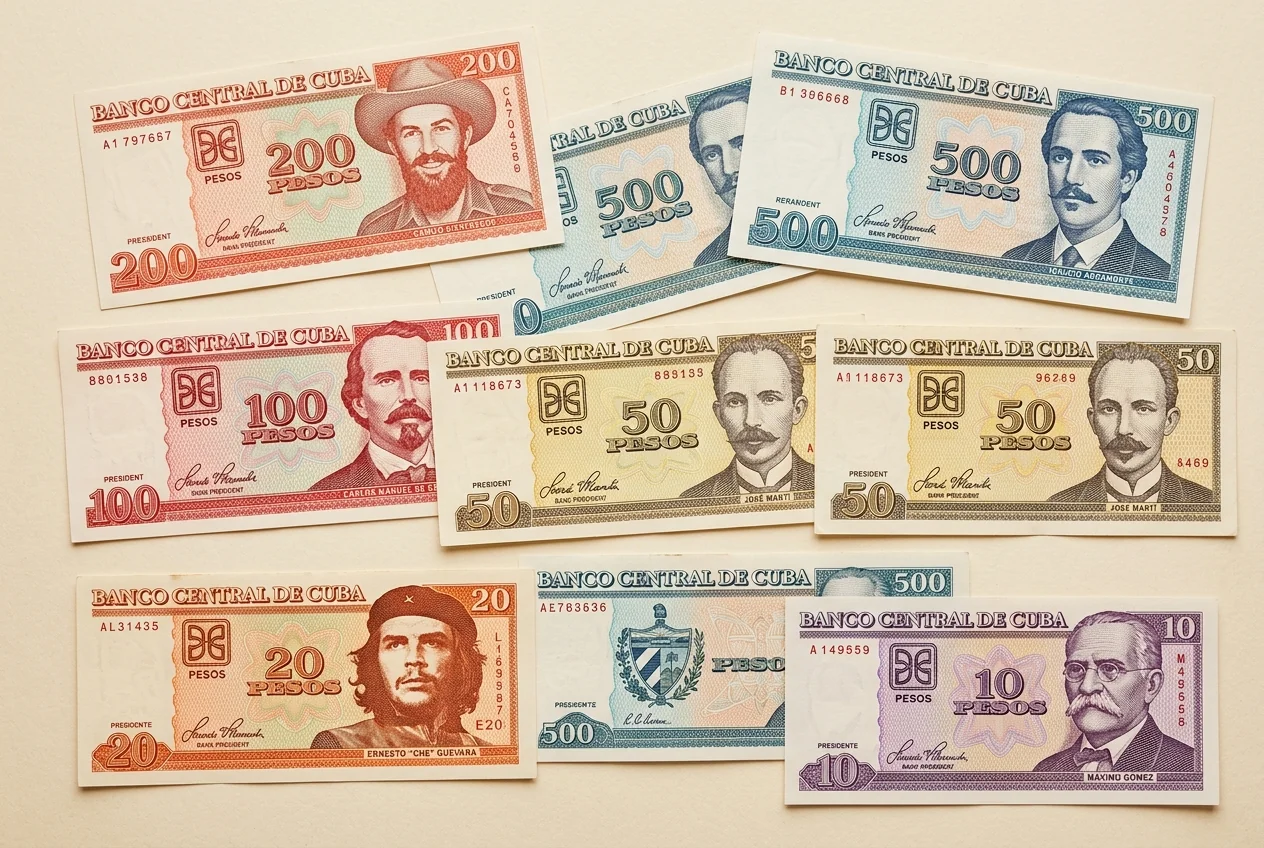
Cuba’s economy is centrally planned and heavily dependent on tourism, remittances, and international aid. The dual currency system was originally designed to address economic disparities and attract foreign currency, but it also created complexities in the economy. The ongoing reforms aim to simplify the monetary system and improve economic efficiency.
6. Dominican Republic
The Dominican peso (DOP) has been the official currency since 1844, following the country’s independence from Haiti. The currency has experienced various reforms and stabilizations over the years.
The Dominican Republic’s economy is one of the fastest-growing in the Caribbean, and one of the largest overall in the Caribbean, driven by tourism, manufacturing, mining, and agriculture. The Dominican Peso has remained relatively stable, benefiting from steady economic growth and foreign investment, particularly in tourism and real estate.
7. Philippines
The Philippine Peso (PHP) has its origins in the Spanish colonial period (1565 – 1898). The Spanish real circulated in the archipelago until the modern peso was introduced in 1852. It has undergone various changes and re-denominations since then.
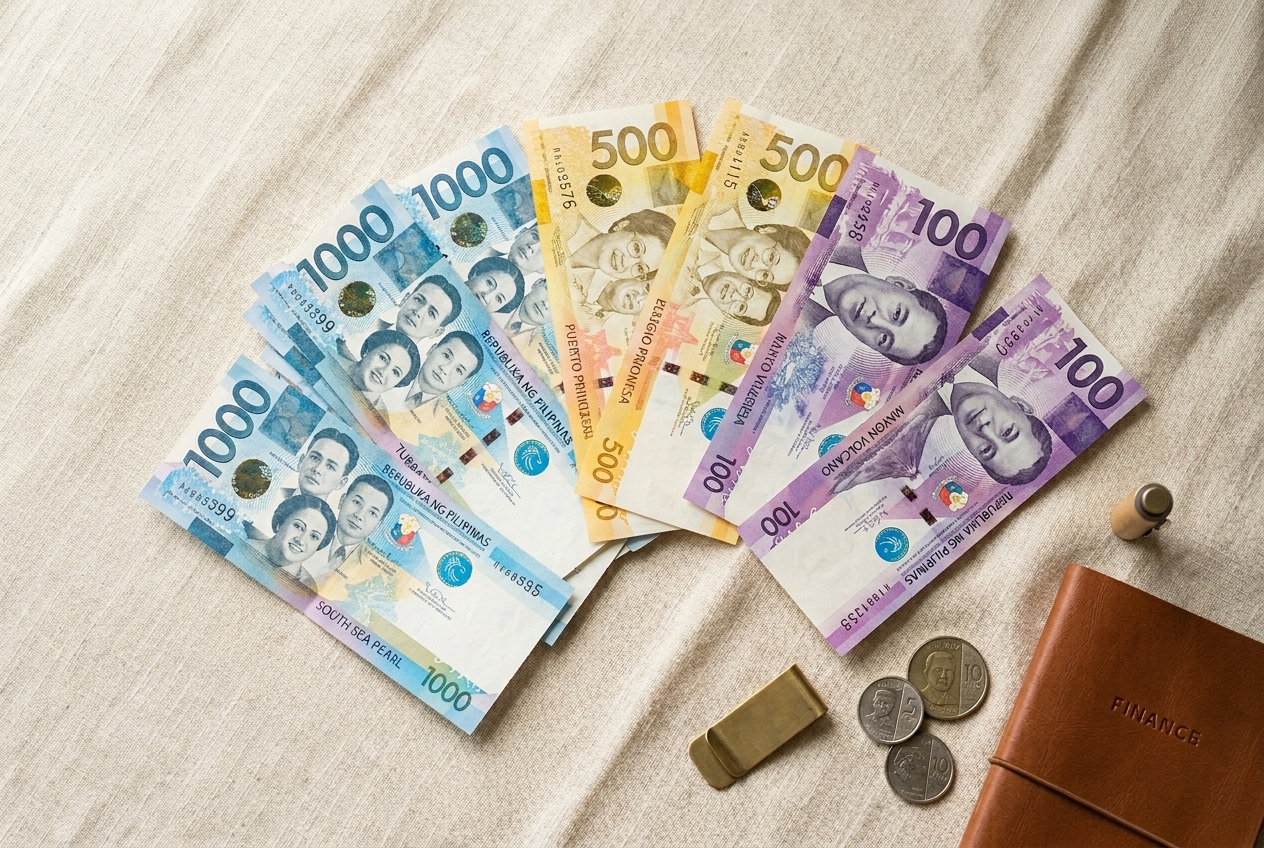
Philippine Peso: Denominations
When it comes to currency denominations in the Philippines, you’ll come across a variety of banknotes and coins in everyday transactions.
Banknotes are most commonly available in the following denominations:
- 20, 50, 100, 200, 500, and 1000 pesosWhile there are also 5 and 10 peso notes, these are rarely seen in circulation today, as coins have largely replaced them.
Coins are issued in:
- 1, 5, and 10 peso pieces
- Smaller values are minted as sentimos, with coins of 1, 5, 10, and 25 sentimos still in use (though the smaller denominations are less frequently encountered).
Prices in shops and restaurants will be marked with the ₱ symbol, making it easy to identify peso values during your travels or transactions.
Take the Philippine peso as an example. The currency code is PHP, and you’ll often see the symbol ₱ used to denote prices. Each peso is divided into 100 smaller units called sentimos. Philippine banknotes come in denominations of 5, 10, 20, 50, 100, 200, 500, and 1,000 pesos, though the 5 and 10 peso notes are rarely seen these days. Coins are available in 1, 5, and 10 peso denominations, alongside sentimos coins in 1, 2, 5, 10, and 25 denominations.
Understanding a country’s currency, whether it’s the denominations you’ll encounter or the regions where it’s accepted, can make exchanging foreign money a lot smoother.
Currency Code and Symbol for the Philippine Peso
The Philippine peso is denoted by the currency code PHP and the symbol ₱. Prices throughout the country are typically displayed using the ₱ symbol, making it easy to recognize at a glance.
Subdivisions of the Philippine Peso
The Philippine peso is divided into 100 smaller units called sentimos, similar to how cents relate to dollars or euros. Sentimo coins are commonly used in everyday transactions for small purchases, rounding out the country’s decimalized currency system.
8. Uruguay
The Uruguayan Peso (UYU) was introduced in 1896, replacing the previous currency, the Uruguayan peso fuerte. It has undergone various reforms and re-denominations, most notably in the early 1970s.
Uruguay’s economy is characterized by a strong agricultural sector, particularly in beef and soybeans, and a growing services sector. The peso is relatively secure compared to other South American currencies, reflecting the country’s stable political environment and prudent economic policies.
Average Peso Exchange Rates to the US Dollar
A natural question arises when comparing these various pesos: how do they stack up against the US dollar? In 2023, exchange rates for these currencies painted a diverse economic picture across Latin America and beyond:
- The Argentine peso, reflecting Argentina’s persistent inflation, hovered around 0.0038 USD per peso.
- The Chilean peso maintained an average rate of roughly 0.0012 USD.
- Colombia’s peso traded at about 0.0002 USD.
- Cuba’s monetary landscape has been complicated, but the Cuban peso averaged close to 0.0417 USD, with past coexistence alongside the now-phased-out convertible peso.
- The Dominican peso exchanged for about 0.0179 USD.
- Mexico’s peso, often regarded as one of the region’s more stable currencies, averaged 0.0565 USD.
- Over in Asia, the Philippine peso stood at approximately 0.018 USD per peso.
- Finally, the Uruguayan peso averaged around 0.0258 USD.
The spread between them reflects how differently each economy has performed over time.
Economic stability and volatility
Peso stability varies considerably across the eight countries. Chile and Uruguay have maintained relatively predictable currencies for decades. Argentina is a different story: the current peso has lost most of its value since 2018, and the country has gone through multiple redenominations in its history. Cuba’s peso has limited international exchange value and is further complicated by U.S. sanctions.
Global economic integration
Mexico exports close to half a trillion dollars in goods annually, most of it to the United States under USMCA. Chile’s economy runs largely on copper, so the peso tends to move with global commodity prices. The Philippines takes a different approach: remittances from Filipinos working abroad account for roughly 8% of GDP. What these economies share is that a shift in global demand can move their currencies fast.
Digital and technological adaptations
Mobile banking has grown fast across most peso-using countries. Mexico has one of Latin America’s most active fintech markets, with digital wallets handling a growing share of everyday transactions. In Argentina, persistent inflation has pushed many residents toward dollar savings accounts and, increasingly, cryptocurrency as a way to protect their purchasing power.
International recognition and exchange
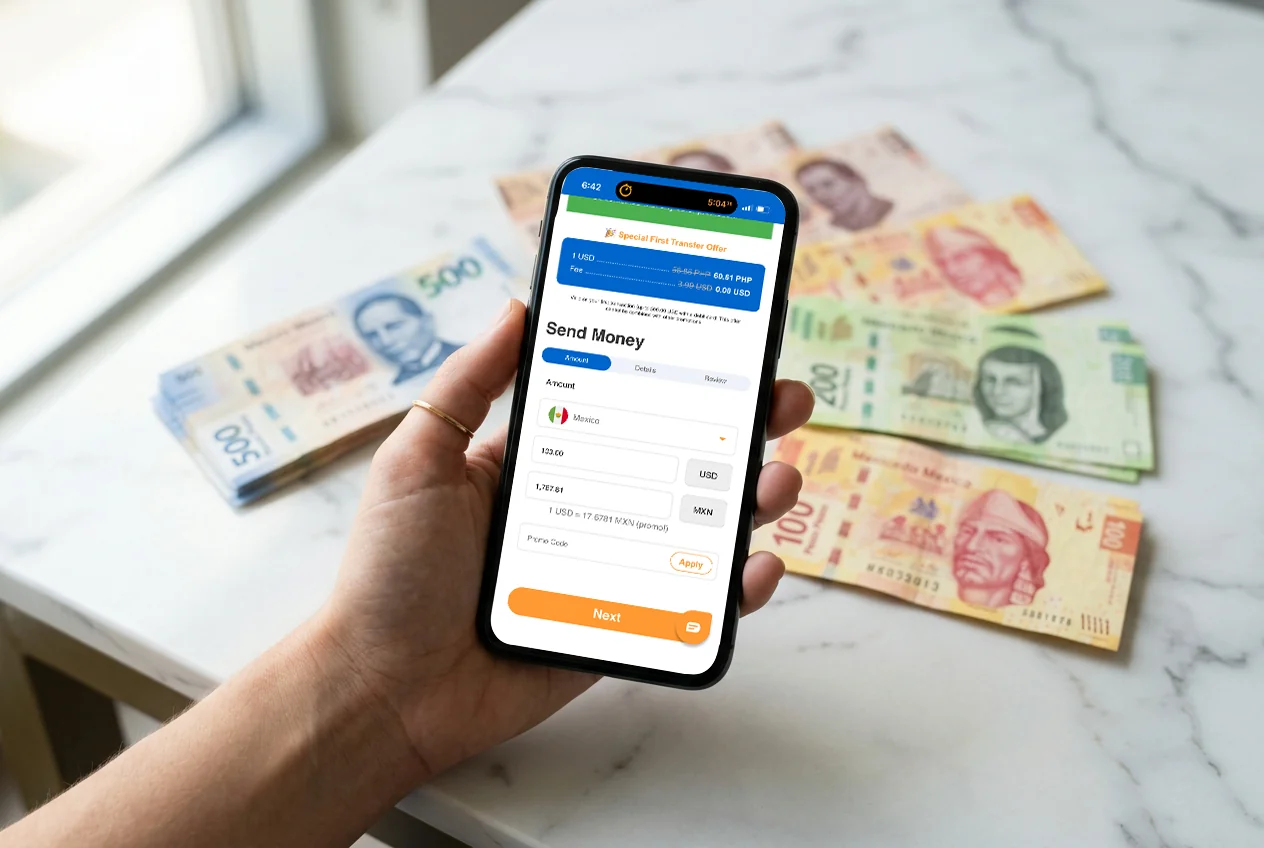
Most pesos can be exchanged at international banks and currency bureaus, though ease of exchange varies. The Mexican and Philippine pesos are the most accessible outside their home countries, given the large diaspora communities both nations have in the U.S. The Argentine peso is harder to exchange abroad, partly because official and parallel market rates have historically differed significantly. Cuban pesos are essentially non-convertible for most international transactions.
Sending Money to Peso Countries from the U.S.
For the millions of people in the United States with family in Mexico, Colombia, the Dominican Republic, the Philippines, or any other peso-using country, sending money home is a regular part of life. Whether you’re covering monthly expenses, supporting a business, or helping in an emergency, understanding how peso exchange rates work can make a real difference in how much your family actually receives.
Exchange Rates Matter More Than Fees
Many senders focus on transaction fees when comparing money transfer options, but the exchange rate applied to your transfer often has a bigger impact on the final amount received. A service that charges no fee but offers a poor exchange rate can cost you significantly more than one that charges a small fee but gives you a rate close to the mid-market rate. Before sending, always compare the total amount your recipient will receive, not just the cost to send.
When to Send
Peso exchange rates fluctuate daily based on global market conditions, interest rate decisions, and economic events in both the U.S. and the destination country. For larger transfers, it can be worth monitoring the rate over a few days. For smaller, routine transfers, the convenience of sending quickly usually outweighs the benefit of waiting for a marginally better rate.
Delivery Options in Peso Countries
How your recipient receives the money also varies by country:
- Mexico: Bank deposits, cash pickup at thousands of locations, and mobile wallet deposits are all common. The Mexican peso’s high liquidity means transfers typically arrive quickly.
- Colombia and Dominican Republic: Bank deposits and cash pickup at pharmacies, supermarkets, and financial service points are widely available. Many recipients prefer cash pickup due to limited banking access in rural areas.
- Argentina: Bank deposits are the primary delivery method. The Argentine peso (ARS) has faced significant volatility, so using a licensed, regulated money transfer service ensures your transfer is processed at a competitive, transparent rate.
- Philippines: The Philippines has a well-developed remittance infrastructure. Recipients can receive funds via bank deposit, e-wallet (like GCash or Maya), or cash pickup at pawnshops and convenience stores across the country.
- Cuba: Sending money to Cuba involves additional regulatory complexity due to U.S. sanctions. Authorized remittance companies can still send funds, but options are more limited than in other corridors. Always verify current regulations before sending.
Tips for Getting the Most Out of Every Transfer
- Compare the total received amount across services, not just the advertised exchange rate or fee
- Check whether your service offers a first transfer bonus or promotional rate
- For recurring transfers, look for services with a recurring transfer feature so you can lock in a schedule without repeating the process manually
- Confirm your recipient’s preferred pickup method before selecting a service, since not all providers support all delivery types in every country
Getting the Best Rate
If you’re deciding whether to exchange currency at the airport or your hotel, it’s usually best to look elsewhere. Airport kiosks and hotel desks tend to offer less favorable exchange rates, often adding extra fees or markups that can quietly eat into your travel funds.
For a better deal, consider visiting reputable banks or official exchange bureaus in town, or withdrawing local currency from an ATM once you’ve arrived. These options typically offer better rates.
Conclusion
Eight countries, one currency name, but eight completely different financial realities. If you’re sending money to Mexico, Colombia, the Dominican Republic, the Philippines, or any of the others, the exchange rate, the fees, and the delivery options will all be different. Start by knowing which peso you’re dealing with. ShareMoney covers all of these corridors, so you can compare rates and send directly from your phone.